
Contact Us Today!
Common Car Accident Injuries: A Guide for Crash Victims
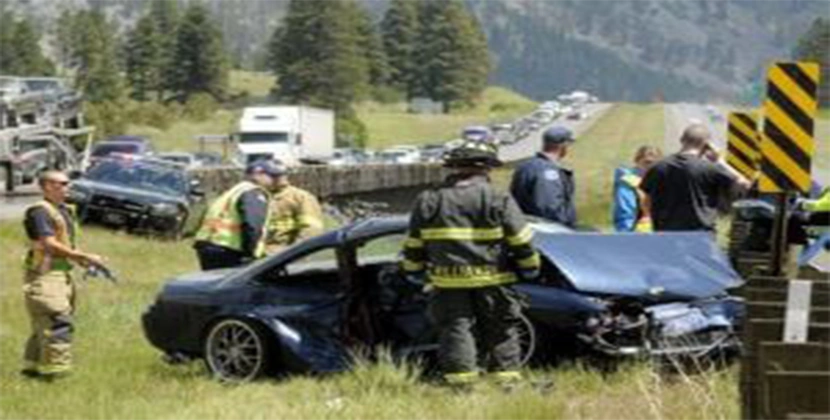
Motor vehicle accidents can harm any area of your body. Damage from collisions may not be apparent until hours or even days after leaving the scene of a crash. Symptoms of an injury might not develop until later. As such, learning about common car accident injuries can empower crash victims to identify potential issues, pursue needed medical care, and track how a crash impacts your health and everyday activities.
Understanding Car Accident Injuries
Understanding what types of injuries commonly occur after a crash can prepare you for seeking medical treatment after an accident. Injuries in a collision can vary greatly depending on the speed of vehicles, where cars collide, whether a seat belt and airbags were used, occupant posture during the accident, and whether the accident involved multiple impacts or a rollover.
Depending on the crash, it is possible to sustain multiple injuries. Some symptoms may also appear or worsen days after the initial collision due to swelling, inflammation, and bruising.
The CDC recorded over 2.8 million emergency department visits due to motor vehicle crash injuries in 2023. NHTSA published final data showing 39,254 people died in traffic crashes in 2024.
Whiplash and Neck Injuries
Whiplash frequently happens in rear-end crashes when a car stops abruptly. Whiplash occurs when your head is rapidly jerked backward, then forward. This sudden movement can strain the muscles and ligaments of your neck.
Whiplash symptoms can range from neck pain and stiffness, headaches, shoulder pain, dizziness, or reduced range of motion. Some people recover from whiplash within days or weeks. However, some people experience long-term neck pain or spasms for months after the initial injury.
Even if the vehicles only sustained minor damage after an accident, do not assume that your neck pain is not serious. Visible damage to a vehicle does not necessarily correlate to the severity of injuries to an occupant.
Back and Spinal Injuries
The sudden motion of a vehicle coming to a rapid stop can put pressure on your spine. Back injuries can affect your muscles, ligaments, vertebrae, spinal discs, or spinal cord. Damage to a spinal disc can lead to arm or leg pain, weakness, numbness, or tingling. Serious injuries to the spinal cord can lead to permanent paralysis or other neurological issues.
Back injuries can also limit you from performing everyday tasks and working. If your job requires lifting, standing for long periods, driving, or physical labor, you could face serious work restrictions if you injure your back in an accident.
Traumatic Brain Injuries and Concussions
Head trauma can occur when your head collides with the steering wheel, window, headrest, dashboard, or another object. Your brain can also suffer trauma as a result of your head rapidly accelerating or decelerating. Symptoms of a brain injury include:
- Headaches
- Confusion
- Memory
- Issues
- Nausea
- Fatigue
- Dizziness
- Sensitivity to light or sound
- Mood changes
- Trouble concentrating
Some symptoms of a brain injury may not appear immediately and get worse over time. If you notice behavior changes or other issues with cognitive function after an accident, seek medical attention.
Broken Bones and Orthopedic Injuries
The impact of an accident can cause broken bones in your arms, legs, hands, feet, ribs, hips, or face. If your legs hit the dashboard or steering wheel, you can also injure your knees or legs. Orthopedic injuries can require surgery, immobilization, physical therapy, and time away from work. Some injuries can have lasting effects after they heal, such as stiffness, chronic pain, or reduced mobility.
How Injuries Impact a Claim
Typically, a diagnosis does not establish how much your personal injury case is worth. Two people with the same injuries could have vastly different outcomes. Some factors that could affect the value of a claim include:
- Medical bills and expected future treatment
- Lost income and earning capacity
- Permanent impairment
- Pain and suffering
- How much your injuries affect your day-to-day life
In Montana, car accident laws may also impact your claim if multiple parties are at fault. Montana is a comparative fault state, which means you could be prohibited from recovering compensation or have your award reduced if you were primarily at fault for the collision. Great Falls car accident claims can be litigated in Cascade County’s courts. Claims can be filed at the Cascade County District Court located at 415 2nd Avenue North, Great Falls, MT 59401.
FAQs
Should I Go to the Hospital After a Car Accident if I Feel Fine?
Yes, you should go to the hospital after a car accident even if you feel fine. You might not need to go to the emergency room after every car accident. However, feeling fine after a collision does not mean you were not injured. Pain can be delayed by adrenaline, and symptoms of certain conditions can take time to appear. Go to the hospital for an evaluation if you begin experiencing pain or other symptoms.
Can a Minor Car Accident Cause a Serious Injury?
Yes, a minor car accident can cause serious injury. Often, the severity of vehicle damage is not indicative of how seriously an occupant was hurt. Even low-speed collisions can cause neck injuries, back injuries, head injuries, and soft-tissue injuries. The angle at which vehicles collide, where a person is sitting in the vehicle, the make and model of the vehicle, and other factors can influence severity.
What Should I Do if My Car Accident Pain Gets Worse?
If your pain following a collision gets worse, you should not simply assume that pain is there to be lived with. Instead, connect with a medical professional, such as your regular doctor or another qualified individual. Explain that your symptoms have changed since being in a crash. Get prompt or emergency medical care for serious or life-threatening symptoms, including difficulty breathing or paralysis.
Can a Car Accident Aggravate a Preexisting Injury?
Yes, a car accident can aggravate a preexisting injury. People with preexisting conditions can often still file for compensation if their injury becomes worse due to someone else’s negligence. Medical records can help establish how the person was before and after the accident occurred. Insurance companies may investigate these cases further, so accurate records of new symptoms and limitations can be helpful.
Hire a Car Accident Lawyer With Local Experience in MT
At Bliven Law Firm, P.C., we have been practicing law for over 30 years. A car accident attorney can help you with your case. Hire a car accident lawyer with us to seek the compensation you need for your injuries. Contact us to schedule a consultation.
Kalispell Office
704 South Main Street
Kalispell, MT 59901
Boardman Office
202 North Main Street
Suite 1
Boardman, OR 97818
Let Our Team Be Your Advocates
If you have been injured by a car wreck or suffered any type of serious injury, call our Kalispell personal injury lawyers at 406-755-6828 or fill out the
no-obligation online case form. We will respond promptly. When you hire our firm you will have the confidence of knowing that assisting you and resolving your
situation and claim is our priority. Contact us for your free case evaluation today.

Kalispell Office
704 South Main Street
Kalispell, MT 59901
Boardman Office
202 North Main Street
Suite 1
Boardman, OR 97818
Phone Number 406-755-6828
Follow Us
© Copyright 2026 Bliven Law Firm, P.C. All Rights Reserved.
Digital Marketing By: 
*Images are obtained under license from Canva and other third-party stock image providers, with attribution included where required.